

News Archive


JENNIFER CHANDLER WINS STEVEN HYMAN AWARD IN NEUROETHICS
CHLPE's Professor Jennifer Chandler has been named the winner of the 2024 Steven E. Hyman Award. Awarded by the International Neuroethics Society (INS), this international accolade is one of the most prestigious distinctions in the field of neuroethics, and stands as a testament to Professor Chandler’s significant impact and leadership in the global neuroethics community.
More >

PANDEMICS, PUBLIC HEALTH, AND THE REGULATION OF BORDERS
The open access publication flowing from CHLPE's 2022 conference Borders, Boundaries, Pandemics is out! The book examines how the COVID-19 pandemic has engendered a new and challenging environment in which borders drawn around people, places, and social structures have hardened and new ones have emerged. It considers how international organizations, countries, and institutions within those countries should conceive of, and manage, borders as the world continues to struggle with COVID-19 and prepares for the next pandemic. Engaging a range of international, and sub-national, examples, the book thematizes the main issues at stake in the control and management of borders in the interests of public health. Open access and Hardcover versions are available.
More >

PATRICK FAFARD ET AL. WIN BEST PAPER IN POLICY & POLITICS
Margaret MacAulay, Patrick Fafard, Adèle Cassola and Michèle Palkovits have won this year's Ken Young Prize for best overall article in the prestigious Policy & Politics. In Analysing the ‘follow the science’ rhetoric of government responses to COVID-19 (open access), the authors contend that during the COVID-19 pandemic, governments’ repeated claims to “just following the science” were in fact an abdication of responsibility by politicians. They argue that making policy decisions based only on scientific evidence is impossible (if only because ‘the science’ is always contested) and undemocratic (because governments are elected to balance a range of priorities and interests in their decisions). They evidence that such claims of following the science weren’t so much about adhering strictly to scientific advice as they were about deflecting blame for policy failures or unpalatable decisions. They conclude that, in mature democratic countries, credit and blame for government decisions are borne by elected politicians, not those appointed to advise them. Crucially, their research raises important questions about the nexus of science and politics and how the latter can manipulate the former for political gains.
More >

IT'S NOT A CIGARETTE. IT'S NOT A VAPE. AND IT'S BIG IN JAPAN.
Heated tobacco... not quite a cigarette because it doesn't ignite, yet not quite a vape because it uses actual tobacco. Supposedly less toxic than conventional cigarettes but satisfying enough to compete with them. In the next two years, heated tobacco products will likely finally become more widely available in America. Will they help the nearly 30 million Americans who smoke switch to a safer alternative? Or, as critics allege, will they only perpetuate tobacco use? To answer these questions, it pays to look farther afield to Japan, where heated tobacco is already transforming the market for nicotine... Chair of CHLPE's Advisory Board David Sweanor contributes in interview to an article on reason.
More >

ANDRÉ PICARD APPOINTED TO ORDER OF CANADA
Faculty of Law Adjunct Professor André Picard has been appointed to the Order of Canada, along with a long list of other prominent advocates, academics, artists and business figures. Mr. Picard, a health reporter and columnist and participant in CHLPE's seminars and activities, was cited for his “dedication to advancing public health understanding and practices in Canada”. A well-known and respected voice in health journalism in Canada, Mr. Picard is a two-time winner of the National Newspaper Awards for his column writing, and a past winner of the prestigious Michener Award for meritorious public service journalism.
Watch André Picard speak about this honour and Canadian health policy on CTV news.
More >

ADVANCING HEALTH JUSTICE IN A TURBULENT WORLD
Thank you so much to the speakers, colleagues and students who joined us in December for a public symposium commemorating 75 years of the Universal Declaration of Human Rights and the World Health Organization! Missed the day's events? You can watch the recordings at the University of Ottawa Common Law Section's YouTube channel:
Strengthening Pandemic Preparedness and Response Through Global Health Law Reform
When Misfortune Becomes Injustice: Evolving Human Rights Struggles for Health and Social Equality
Human Rights Challenges in Global Health Governance
Building Consensus on Human Rights and Public Health Emergencies
Health and Human Rights in the Next 75: Forward Looking Reflections on the Future of Health Rights

FROM PRINCIPLES TO PRACTICE: HUMAN RIGHTS AND PUBLIC HEALTH EMERGENCIES
Since 2020, the Centre’s newest member Roojin Habibi has been leading a partnership between International Commission of Jurists and the Global Health Law Consortium to develop a set of human rights principles and guidelines adapted to the context of public health emergencies. The resulting Principles and Guidelines on Human Rights and Public Health Emergencies were launched in pre-print form this past May, on the margins of the World Health Assembly. They have been endorsed by over 50 renowned scholars, practitioners and former/current SP mandate holders. Since their release, the Centre has co-sponsored a digital symposium on the Principles, hosted on the Harvard Petrie-Flom Center’s Bill of Health blog.
More >

VANESSA GRUBEN THE NEW DIRECTOR OF CHLPE
We are excited to announce that as of January 1st, Professor Vanessa Gruben of the Faculty of Law, Common Law Section is the next Director of CHLPE. Vanessa has been a core member of the Centre since its inception in 2015, throughout that time sitting on its Executive Committee and leading its theme on Reproductive Health and Technologies as well as the Ottawa Hub for Harm Reduction. Her scholarship probes some of the most difficult contemporary legal and ethical issues related to health care, including assisted reproduction, harm reduction, organ donation and transplantation, and health care professional self-regulation. She is the co-editor of the 5th edition of Canada’s leading health law text, Canadian Health Law and Policy (LexisNexis, 2017). She also serves on the boards of the Canadian Health Coalition and of AMS Healthcare.
Vanessa takes the reins from the Centre's inaugural Director, Colleen Flood. As you may know, Colleen began the next chapter in her career as Dean of Law at Queen's University this past July. Under Colleen’s visionary and energetic leadership, the Centre has grown since 2015 to become the largest academic health law and policy centre in Canada and one of the largest in the world. She built it into a thriving community with collaborative bridges throughout the Law Faculty and the broader university.
During this time of transition, the Centre was in the able hands of Sophie Nunnelley. Sophie's research focuses on intersections of health law and human rights, with a particular focus on mental health law, legal capacity and decision-making, and the regulation of health-related AI. Prior to completing her doctoral studies at the University of Toronto and joining the Centre, Sophie was a constitutional and human rights lawyer with the Ministry of the Attorney General for Ontario, and counsel on a major national public inquiry (the Gomery Inquiry). Sophie remains an indispensable member of the core team, returning to her regular role as Associate Director.
More >

ACCESS TO HEALTH CARE FOR IRREGULAR MIGRANTS: HONOURING NELL TOUSSAINT (1969–2023)
After being denied health care because of her irregular immigration status, Nell Toussaint suffered severe health consequences including a stroke, an amputation and blindness. She fought courageously for equal access to health care, securing an historic ruling at the UN requiring Canada to ensure access to essential health care without discrimination. When Canada refused to comply, she challenged this in court, winning another important victory when the court rejected Canada’s attempt to have her claim dismissed. Sadly, Nell Toussaint died on January 9, 2023 with her legal claim unresolved and Canada continuing to refuse to comply with the UN ruling. Human rights and health care advocates along with her family are committed to honouring Nell’s legacy by continuing her campaign for access to health care for all, regardless of immigration status, as a fundamental human right.
On the anniversary of Nell's passing, CHLPE hosted a seminar-webinar featuring Professor Y.Y. Chen, Shalini Konanur, Aditya Rao, and Whendeann Gittens.
See all of our recent event videos on our YouTube channel.

NEWSLETTER 2024-01
- Access to health care for irregular migrants: Honouring Nell Toussaint (1969–2023)
- From principles to practice: Human rights and public health emergencies
- Advancing health justice in a turbulent world
- Vanessa Gruben the new director of CHLPE
- Science advice and public input: The case of public health
- André Picard appointed to Order of Canada
- It's not a cigarette. It's not a vape. And it's big in Japan.
- AI and compassion in mental healthcare
- The intelligent powered wheelchair
- Training healthcare leaders, patients, and providers in the law and ethics of health-AI
- Existing diseases and tools to treat them must remain central to pandemic preparedness
- Access to mental healthcare in Canada
- Therapeutic use of psychedelics, entheogens, entactogens, cannabinoids, and dissociative anesthetics for military members and veterans
- Jennifer Chandler to chair Canadian Academy of Health Sciences assessment of fetal alcohol spectrum disorder in Canada
More >

HUMAN RIGHTS AND PUBLIC HEALTH EMERGENCIES
Join Harvard Law School, CHLPE, and others for the launch of a new digital symposium on the 2023 Principles and Guidelines on Human Rights and Public Health Emergencies. This Symposium gathers critique and reflections from leading scholars, activists, jurists and others from around the world on the contribution of the Principles in clarifying legal imperatives for rights-based approaches to public health emergency prevention, preparedness, and response.
More >

SOPHIE NUNNELLEY AWARDED AMS HEALTHCARE FELLOWSHIP IN COMPASSION & A.I.
Acting Director Sophie Nunnelley is among the latest cohort of Fellows in Compassion and Artificial Intelligence (AI) awarded by AMS Healthcare. AI has been embraced by some as a tool for addressing accessibility problems in mental healthcare—for example, AI-powered chatbots offer therapy, and AI algorithms harness social media data to detect suicidal ideation. While AI holds promise in this context, it raises the significant concern that it could exacerbate inequality if improperly regulated. Sophie’s project takes up law’s role in ensuring human rights-consistent AI use in mental healthcare, focusing on laws relating to capacity, informed consent, and non-discrimination. The core of her project will be a workshop of multidisciplinary experts – including AI innovators, people with lived experience, clinicians, legal scholars, and human rights experts – to examine the law and practice of specific mental health AI technologies, the sufficiency of existing rights frameworks, and priorities for law reform.

CALL FOR SUBMISSIONS: LAW AS A TERRAIN FOR ADVANCING SOCIAL JUSTICE
On the occasion of the retirement of Martha Jackman from the Faculty of Law at the University of Ottawa, a Symposium honoring her work will be held at the University on May 23, 2024. The Symposium will center on the legal commitments that have animated Professor Jackman's career pursuing social justice through teaching, scholarship, test case litigation and feminist activism. We encourage submissions on the topics that have defined Professor Jackman's vision of a just society:
- Access to constitutional justice, participation and effective remedies for dispossessed communities
- Holding governments accountable for action and inaction that sustains or worsens systemic inequality
- The constitutional imperative of socio-economic rights
- The Charter as a guarantee of substantive equality
- The Charter, federalism, social policy and substantive equality
- The constitutional right to the determinants of good health and to universally accessible public health care
- Feminist legal activism, strategic litigation and law reform
Deadline for submissions is September 26, 2023.
Click title for details.
More >

JENNIFER CHANDLER ELECTED TO CANADIAN ACADEMY OF HEALTH SCIENCES
Established in 2004, the CAHS brings together Canada’s top-ranked health and biomedical scientists and scholars with the goal of understanding and addressing Canadian health concerns. Election as a Fellow of the CAHS is a rare honour. Professor Chandler is a founding member of CHLPE and is the Bertram Loeb Research Chair in Organ and Tissue Donation. Her research explores the legal and ethical aspects of biomedical science and technology, with focuses on brain sciences as well as organ donation and transplantation. She also regularly contributes to Canadian governmental policy on challenging matters of biomedicine—for example, recently co-authoring a report on safeguards related to medical assistance in dying in the context of mental illness.
More >
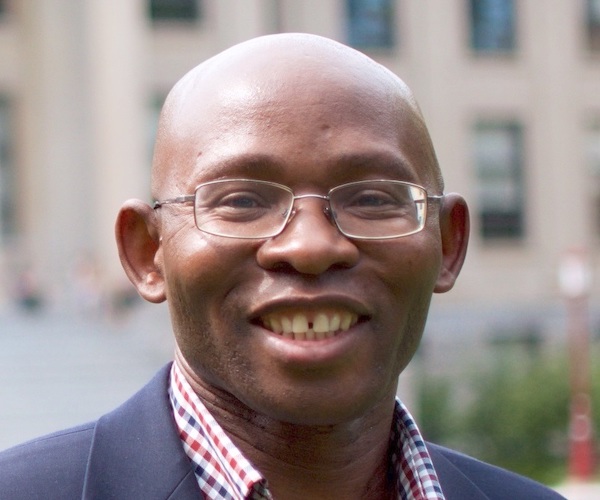
CHIDI OGUAMANAM AWARDED UNIVERSITY RESEARCH CHAIR
Professor Oguamanam has been awarded the University of Ottawa Research Chair in Sustainable Bio-Innovation, Indigenous Knowledge Systems and Global Knowledge Governance. As the new Chair, Professor Oguamanam’s aim is to advance just societies through the equitable participation of the world’s Indigenous peoples and local communities in global knowledge production and its resulting benefits. Professor Oguamanam’s research will make an original contribution to repositioning Indigenous and local knowledge custodians from old forms of knowledge governance to new models that are more well suited to the technological advancements of the 21st Century. Professor Oguamanam also heads ABS-Canada, and is Co-Founder of the SSHRC/IDRC-supported Open Africa Innovation Research (Open AIR) partnership.
More >

DO TOBACCO COMPANIES HAVE AN INCENTIVE TO PROMOTE “HARM REDUCTION” PRODUCTS?
Some cigarette companies have started to talk about replacing cigarettes with less harmful alternatives, which might include vaping products, heated tobacco products, and oral nicotine products. This manuscript article in Nicotone & Tobacco Research, co-authored by CHLPE's David Sweanor, compares the behaviour of cigarette companies in the U.S. pre- and post-2012, analyzing the impact of the growth of vaping products on smoking and on cigarette company profiles.
More >

WILL CANADIANS REALLY ACCEPT TWO DRINKS A WEEK?
When new drinking guidelines for Canadians were released, it was the headline takeaway that got the most attention, including its share of scorn. In fact, many of the other recommendations were ignored. There's a lot of science behind limiting alcohol consumption, and there are many ways to do it. But is setting a goal like two drinks a week the right way? How important is the messaging to actually achieving results? Are there lessons we can learn, both from the pandemic and Canada's approach to tobacco, that could help us drink less, while also not sparking ridicule from those who enjoy a few beers? CHLPE's David Sweanor speaks on the CityNews podcast.
More >

EXAMINING LEGAL, REGULATORY, AND POLICY CONSIDERATIONS IN CANADA'S SAFER SUPPLY MOVEMENT
North America’s opioid crisis has resulted in nearly 30,000 deaths since 2016 and is devastating communities across Canada. In response to escalating overdoses, Health Canada formally approved providing a “safer supply” of regulated drugs for people who are at risk of overdose from the unregulated market. Numerous safe supply evaluations are underway across Canada, but more research is needed on the impacts of such programs. Professor Vanessa Gruben is leading a team of interdisciplinary scholars to address this question. With some groups advocating for an expansion of safer supply programs and others for a return to traditional treatments, the team aims to collect the emerging literature, interview players in the field, and map the debates.

A VIABLE VACCINE FOR EBOLA’S LATEST STRAIN IS SHAMEFULLY COLLECTING A DECADE OF DUST IN CANADA
An outbreak of Ebola in Uganda has killed dozens of people since it was announced in September. Efforts have been hampered by the fact that no approved vaccine exists for this form of the virus, the less common Ebola-Sudan species. And yet a viable vaccine candidate produced more than a decade ago in a Canadian government lab has spent years sitting on a shelf because of a medical research and development system that is driven by commercial gain rather than by public health needs. Jason Nickerson & Adam Houston write in Globe & Mail...
More >

BORDERS, BOUNDARIES, PANDEMICS CONFERENCE VIDEOS
CHLPE's annual conference—and our first hybrid online/in-person one—wrapped up in October. Full panel videos are available on our YouTube channel. This year the topic was border control during COVID and in pandemics to come. Here borders include not just national but also provincial/state borders as well as "borders" within locales like hospitals and long-term care homes. Panels covered history, communication, long-term care, psychiatric institutions, homelessness, migrants and refugees, international case studies and law, vaccine passports and technologies, and more.
More >
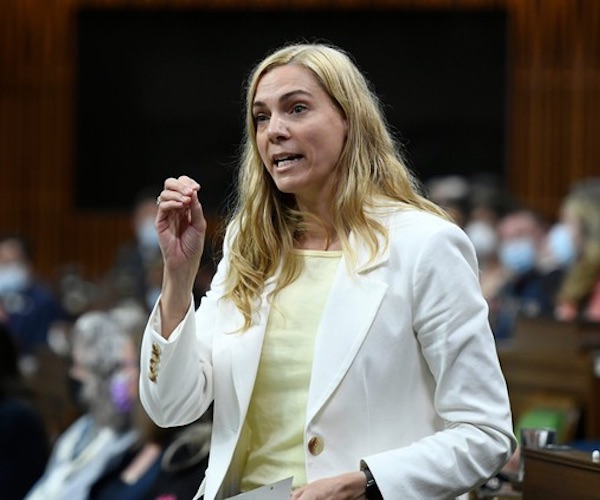
CANADIANS DESERVE A JUDICIAL INQUIRY INTO ABUSE IN SPORTS
In a recent interview with CBC, former minister of sport MP Kirsty Duncan related her own story of being abused as an athlete and repeated her call for a national judicial inquiry into abuse in sport. There is mounting pressure on current Minister Pascale St-Onge and the federal government to convene such an inquiry. The campaign has gained momentum in recent weeks after a group of more than 100 scholars signed an open letter in support. Daphne Gilbert was a signatory to that letter and penned an op ed on the topic—you can read the full text in the Ottawa Citizen.
More >

SOCIAL MEDIA USERS FED MILLIONS OF UNHEALTHY FOOD AND BEVERAGE POSTS EACH YEAR
Professor Monique Potvin Kent is the author of a new report funded by Heart & Stroke looking at social media advertising of junk food. These online conversations are driven not only by brands but by individuals, representing a newer form of marketing called user-generated content. Younger people are especially vulnerable to this because of their greater trust and familiarity with people within their social networks...
See also Toronto Star, La Presse op eds.
More >

FAST FACTS ON ORGAN DONATION AND TRANSPLANTATION
Following on from CHLPE's 2021 conference on organ donation and transplantation, Jennifer Chandler spearheaded a collaboration with the Canadian Donation and Transplantation Research Program to publish a number of fast-fact documents to help us all understand the issues in simple and plain language. Nine documents cover specific issues ranging across opt-in, opt-out, living donation, donation following medical assistance in dying, and many others.
See also our YouTube channel for complete conference videos.
More >
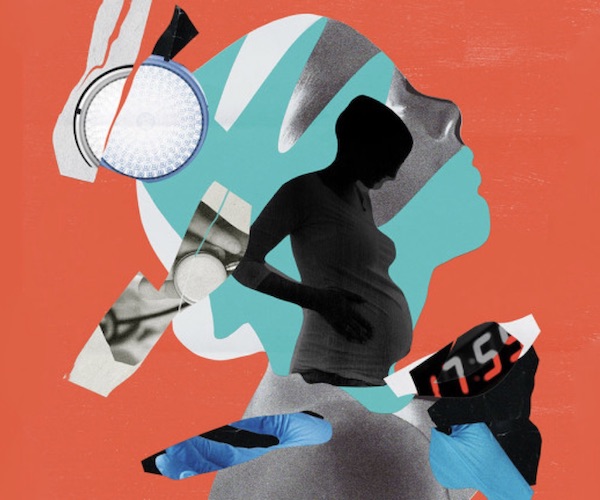

OBSTETRIC AND GYNECOLOGICAL VIOLENCE
CHLPE’s Audrey Ferron Parayre (Civil Law) has obtained funding from CIHR for a three-year project studying the implementation of women’s rights in the context of obstetrical and gynecological violence (OGV). OGV encompasses various forms of abuse, disrespect and mistreatment perpetrated in the context of obstetrical and gynecological care. Examples can include procedures like inducing labour done without the informed consent of the patient, berating and bullying during labour and delivery, ignoring requests for information or help, and more. The project includes funding for two LL.M. students and one Ph.D. Law student—see here for details.
You can watch a discussion of OGV in CHLPE’s lunchtime webinar series in Mieux cerner un enjeu émergent : les violences obstétricales.
Sign up for event notification and newsletter emails
Find us on...



